The Nurturer: your referrals have a ceiling
The Nurturer builds business through relationships, not transactions. They're empathetic, they care about the connection more than the spotlight, and they win by being present in people's lives long enough to become the obvious choice.
Think handwritten notes, pop-by visits and birthday cards.
But Jeffrey sees two traps. The first: Nurturers assume people will remember them because people like them. "Once you're out of that view of those people, no matter how great you are to them, if you don't stay in front of them, they're going to forget about you."
His standard for staying in front of past clients is higher than most agents expect. The average agent reaches out about once a month. Jeffrey says once a week. "It's going to drive everybody crazy," he admitted, but that's the rhythm that kept about 90% of his own business coming from referrals and introductions.
The second trap is bigger. Nurture business caps out. If all you do is look after existing clients, you never expand your footprint. That's why most Nurturers need a second model to bring new people in.
Videos that fit a Nurturer:
- A day in the life, including the chaos of picking up the kids when a seller calls
- Gratitude videos: "Thank you for helping me make this an amazing month"
- "The top questions my past clients are asking me right now"
That last one is quietly powerful. It tells everyone watching that your past clients still call you, without you ever saying it.

The Prospector: rejection doesn't scare you
Then there's the agent who actually likes the phone.
The Prospector creates opportunities instead of waiting for them. They're direct, fast moving and immune to rejection. "You said no, next. You said no, next. You said yes. Come on, let's set an appointment." Their whole game is simple: have a conversation, book an appointment, close a deal.
Bruno joked that the only thing agents hate more than seeing themselves on camera is cold calling. Jeffrey's answer: if you hate the phone, it's not a character flaw. You're just not a Prospector.
But even Prospectors need video. Bruno asked what happens after a cold call ends, and Jeffrey didn't hesitate. The person you just called is searching your name on Google, or asking ChatGPT who you are. "If you don't show up someplace, you have a problem."
The good news? Prospectors shouldn't make the same videos as everyone else. They shouldn't force themselves through slow, polite home tours. Their videos should hit like their phone calls: direct, a little bold, built to stop the scroll.
Videos that fit a Prospector:
- "Here's what people are getting wrong right now when they buy a house"
- "The top 10 mistakes I see people make when they sell their house"
- "Three things agents will never tell you"
One of Jeffrey's coaching clients prospected for-sale-by-owners and expired listings. His hook: "If your home didn't sell, it wasn't the market. Here's why." If you're the homeowner whose listing just expired, you're watching that video.
A Nurturer would never post it. That's exactly the point.

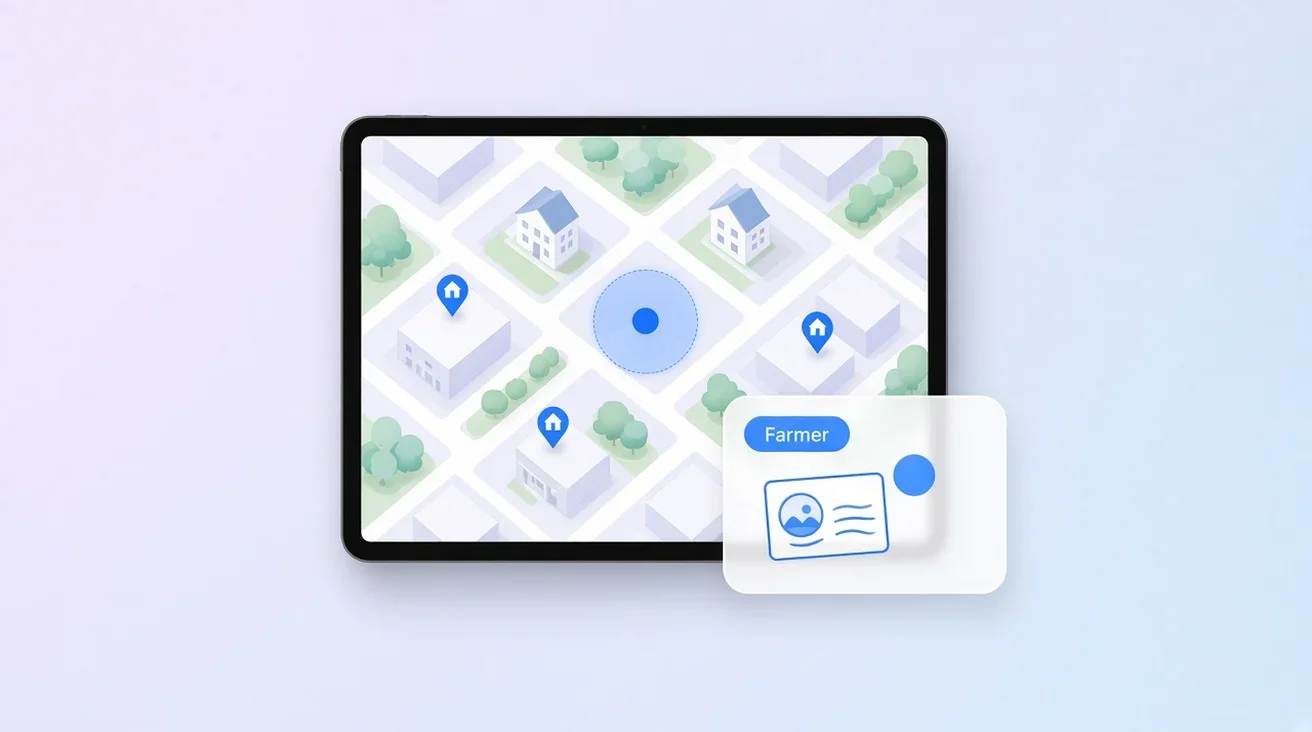
The Farmer: become the mayor of your neighborhood
The Farmer owns a place. Their listings, buyers and sellers all come from one neighborhood, and they want people on the street to say, "Oh, that's Jeff."
They're community driven, routine oriented and observant. They send postcards, run hyperlocal ads, sponsor the Little League T-shirts and show up constantly.
Jeffrey says the best ones aren't really farmers. "They're gardeners." They don't publish a market report for all of Miami or the whole Lower East Side. They publish one for a three or four block radius, and they know every corner of it.
Videos that fit a Farmer:
- A Saturday walk: "This is our favorite dog park. This is where we stop for coffee"
- Weekly local updates and community events
- Interviews with the owners of local restaurants and shops
That Saturday walk video never mentions real estate, and it doesn't need to. "He or she is saying, I know your area, without saying I know your area."
The call to action changes too. Not "call me for all your real estate needs," but "What's your favorite restaurant around here? I'll interview them next." Now your neighbors are part of the conversation.
Bruno pointed out that these videos tend to get more views, because people love talking about food and parks. Jeffrey agreed, with a warning. Some Farmers become such good mayors that they stop talking about real estate. Keep the hyperlocal market reports coming. And instead of "I was talking with a client this week," try "I was talking with one of your neighbors this week."
The Promoter: look at me (and that's fine)
Some agents don't just post that they won an award. They film themselves giving the acceptance speech.
That's the Promoter. They build momentum through visibility and win by being associated with success. Confident, social, brand aware. Some of the biggest brokerages out there are built around one Promoter at the top, and Jeffrey is fine with that. "That's this person's personality."
Promoters are on camera for the whole listing walkthrough. They post just listed and just sold, "I got my seller 20% over asking," lifestyle content by the pool at their listing, and even the deal that went sideways, because it gets views. Their market update isn't just a market update. It's them in front of a green screen with the numbers behind them.
The trap? Getting so fun and goofy that nobody remembers you're an agent. Jeffrey's example is the agent who hides behind a plant in a listing and jumps out at the camera. "It gets views, but you need to do something else also."
Bruno asked the question a lot of agents are thinking: what if I hate cold calls and I hate being on camera?
Then you're probably not a Promoter, Jeffrey said, and that's okay. You're more likely a Nurturer, maybe a Farmer. And you can still show your personality without your face: your voice flipping through a market report, or narrating a walk through the neighborhood from behind the camera.

The Creator: teach and they'll come to you
The Creator is often confused with the Promoter. They're not the same. The Promoter's content is about them. The Creator's content is about what they know.
Creators win by becoming the trusted authority. They're analytical, strategic and system minded, the agent who wants a full buyer consultation before a client even looks at homes online. They love long-form video, webinars and podcasts.
Videos that fit a Creator:
- A first-time homebuyer series, while you work with a real first-time buyer
- "There's a lot of fake news about real estate. Here's what's really going on"
- "The biggest pricing mistakes people make, and why"
- Step-by-step guides: running an open house, applying for a loan
Bruno shared a shortcut some agents use: record yourself during a client meeting, just you, for 20 or 30 minutes. Then let AI cut it into short clips. You already know exactly what to say in front of a client. Most agents only freeze when the camera is the audience.
So, which one are you? Probably two of the five. Jeffrey's natural pairs: the Nurturer with the Creator, and the Prospector with the Farmer or the Promoter. And you need both of yours. If referrals slow down, or the snow keeps you from filming the neighborhood, your second model keeps the business moving.
Whatever your mix, video has to be part of it, because that's where people look you up. Jeffrey's favorite move works for every model: ask a happy client to record a quick video testimonial. Social proof never goes out of style.
And stop overthinking it. Jeffrey used to spend 30 to 45 minutes prepping each video. After he started using BIGVU, with AI writing the script and the teleprompter built in, that prep dropped to about three minutes. His rule now: record it, post it, and don't look at it again. Mistakes are fine. "Your clients, your people, they want to see that you're human." An educational video might get two views this month and 30 next year, when a first-time buyer shares it with all their friends.
When Bruno asked for the one thing to remember, Jeffrey kept it simple: "If what you're doing doesn't feel comfortable, then you shouldn't be doing what you're doing." Push yourself, yes. But find the type of video that feels like you, and just do it.
Want to know your growth model for sure? Jeffrey is the founder of R2R Diagnostic Group, which is building assessments to help agents find theirs. You can find him as Jeffrey Scott Stanton on social media.
Watch the full conversation on the BIGVU YouTube channel.