

The content trap: plenty of ideas, no time to produce them
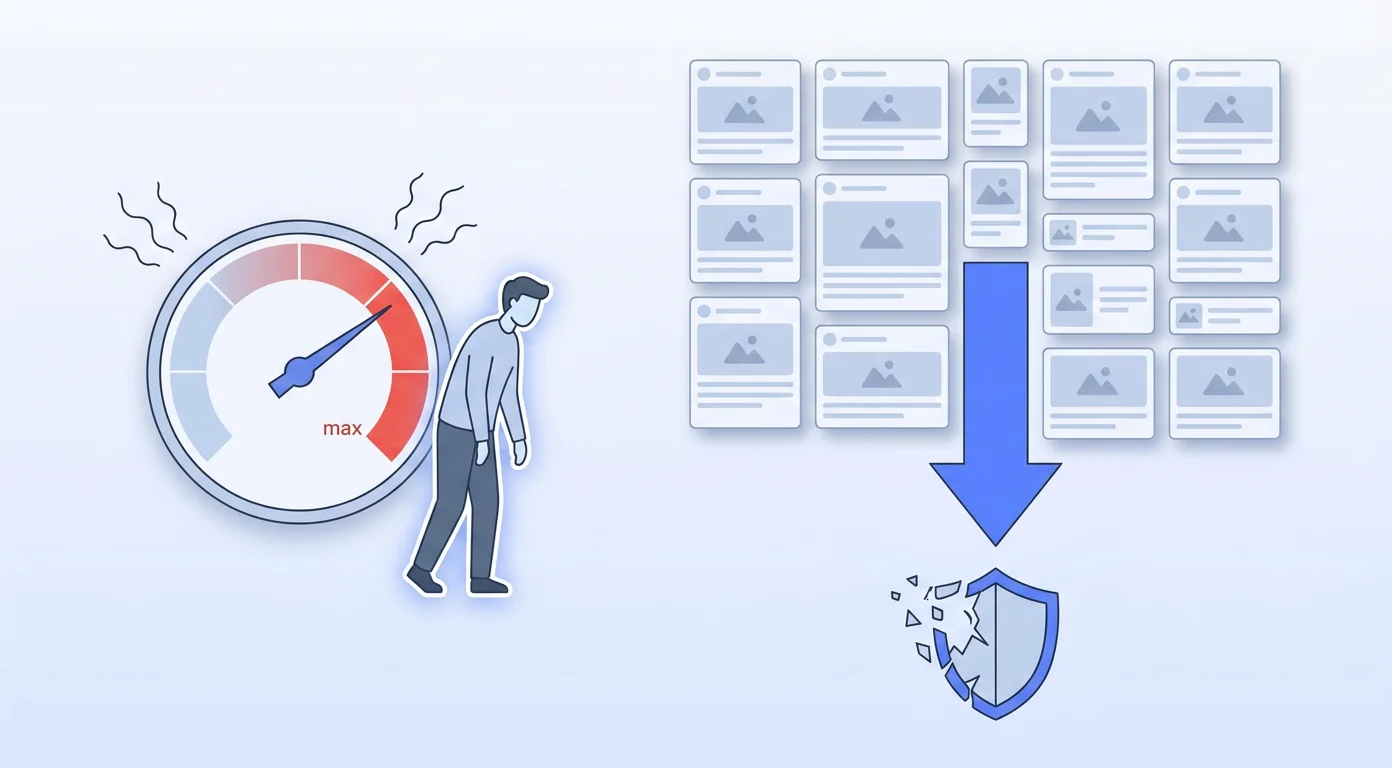
Ask a coach why they stopped posting and you rarely hear "I ran out of things to say." You hear about the evening lost to captions, the clip that sat half edited for two weeks, the month where client work simply won. The bottleneck in coach content creation is almost never thinking. It is production.
The ICF data hints at this. In the same study, 37 percent of coaches named adapting to technology as a major concern, while only 19 percent had invested in new technology. Plenty of coaches feel the pressure to show up online. Far fewer have a setup that makes it realistic.
Look at what the creator route really costs. HousingWire profiled loan officer Scott Betley, who built an audience of 870,000 followers by spending four to five hours a day on social media. That is a second job. For a coach billing $234 an hour, the ICF average, even one of those hours each day is expensive. Hiring the work out at full price is no small step either. The U.S. Bureau of Labor Statistics lists a median annual wage of $75,420 for film and video editors, and the Link in Bio 2025 report puts the median social media manager salary at $85,000. Neither number fits a practice of a dozen clients.

Why "just post more" is weak life coach marketing advice
Volume advice comes from creators, whose income depends on reach. A coach's income depends on trust, and trust is built by a much smaller audience than most people think.
Business coach Caroline Leon tracked the source of 74 client applications and published the breakdown. Colleagues, client referrals, word of mouth and other people driven sources made up 64 percent. Social media accounted for 3.1 percent. Her own verdict: "Social media is having the least impact." Coaches on Reddit say the same thing more bluntly. One r/lifecoaching reply reads: "One happy client introducing you to a peer beats 100 cold messages."
That does not make content pointless. It changes its job. Book coach Cat Margulis built her practice on a newsletter of about 2,500 subscribers and 1,800 LinkedIn followers, with her first coaching clients arriving through referrals. Natasha Tynes, profiled by Niche Pursuits, feeds her coaching work from a list of roughly 3,000 people. Small audiences, steady contact. For social media marketing for life coaches, the goal is that a referred prospect finds you, watches three of your videos, and already feels they know how you think. A clip going viral with strangers is beside the point.
A video content workflow that starts with your ideas
If you have ever wondered how coaches make content week after week without burning out, the answer starts here. The best video ideas for a coach are hiding in last week's sessions. Keep a running note and you will fill a month faster than you expect:
- The repeat question. Whatever three clients asked this month, answer it on camera once.
- The myth you correct. "You need more discipline" is a classic for a wellness coach. Explain what actually works instead.
- Your framework, one step at a time. A five step method is five short videos, not one long one.
- A client story, anonymized. The before, the shift, the after.
- Your point of view. The industry advice you disagree with, and why.
Content repurposing does the rest. One recorded answer can become a vertical clip, a horizontal version for YouTube, a quote for LinkedIn and a line in your newsletter. Marriage coach Monica Tanner, in a customer story published by the clipping tool quso.ai, turns each podcast episode into 7 to 10 clips. Treat that as one vendor reported example, but the principle holds: record once, publish many times.
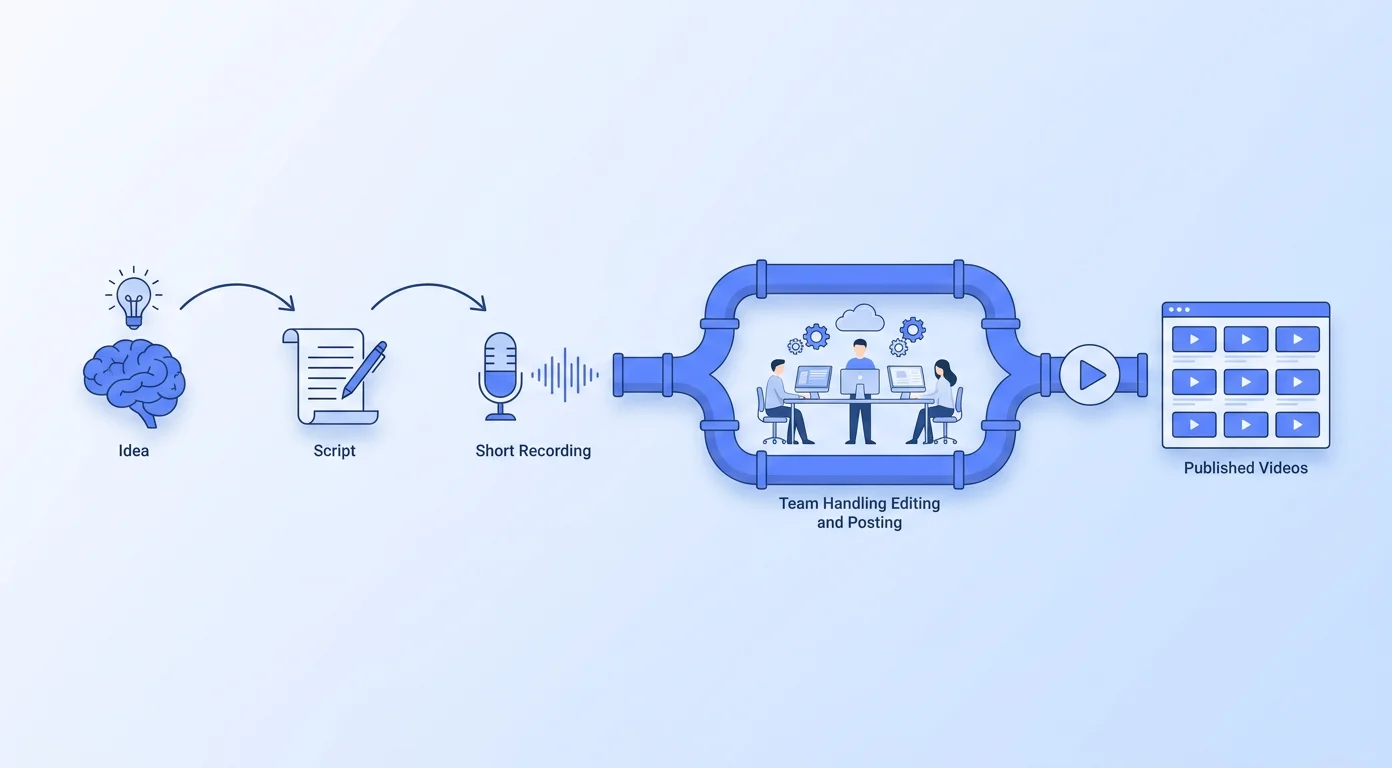
This is the gap BIGVU SuperAgent was built for. It starts with a 30 minute kickoff call to map your channels and audience. A dedicated strategist then writes scripts in your tone around your clients' real problems, or works from scripts you send, or a mix of both. You record on your phone with the BIGVU teleprompter. If you would rather skip the camera for some videos, a TalkingPhoto with your cloned voice is an option. The team edits in your chosen style with your brand kit, adds captions and thumbnails, and schedules a fresh drop every week. Most clients start with nothing filmed, and according to the SuperAgent page the first batch of prompts usually covers four to six weeks of publishing.
Keeping it authentic when AI video creation is in the mix
Coaches are right to be wary here. In an r/lifecoaching thread about sounding human, one user wrote: "I won't work with anyone who's obviously using AI." Another coach described the effort of training a chatbot on her tone: "I still have to remind it regularly." Pew Research found that 76 percent of Americans say it is very or extremely important to know whether content was made by AI or by people.
Behavior data points the same way. A peer reviewed field test of 384 Facebook ads, published in 2026, found that an AI avatar drew 25 percent more video plays but 13 percent less reach and 38 percent fewer clicks than a human spokesperson. It was one sector in one country, so do not stretch it too far. Still, the takeaway is hard to ignore. People will watch an avatar, but they act on a person.
So draw a clear line. Let AI video creation handle the tasks nobody sees: cutting pauses, captions, resizing, scheduling. Keep your own face and your own words on the videos that ask for trust, like your story, your method and your invitation to book a call. With SuperAgent you approve every script, you can rewrite any line in your own words, and one round of notes on each edit is included. The styles help too. "Simple and Clean" is just you, subtitles and light b roll, and "Expert Explainer" layers diagrams over your explanation without replacing you.

From consistent video to booked calls
Content should lead to a conversation. Pick one call to action, such as booking a free 20 minute call, and use it on every video for at least a month. Switching CTAs weekly makes it impossible to see what works.
Then measure the way Caroline Leon did. Ask every new client how they found you and write it down. If referred prospects start saying "I watched your videos before I booked," your content is doing its real job, even if your view counts look modest.
Here is the cost comparison worth making. SuperAgent delivers eight finished videos a month for $299 billed monthly, or $239 a month on a yearly plan, which the pricing section works out to $37 per video. It runs month to month with no setup fee, and you keep every master file. Set that against an editor's $75,420 median wage or four hours a day of your own time. If you want to see what your first eight videos would be, book a free strategy call and bring your list of client questions.