
Turning Camera Anxiety into High-Impact Energy
Shift Your Mindset from Self to Service
Anxiety often stems from self-criticism—worrying about how you look or sound. To break this cycle, pivot your focus toward the value you are providing. When you prioritize the message over your image, the pressure to be perfect dissolves. When your energy is right, you convey conviction; when it’s not, the audience feels the disconnect. To effectively reframe your on-camera energy, follow these steps:- Label the Sensation: When you feel your heart race, say out loud, "I am excited to share this." This simple linguistic shift changes how your brain processes the adrenaline.
- Physical Release: Shake out your hands or move your body before the camera rolls to release stagnant tension.
- Focus on One Person: Imagine you are speaking to a single client who needs your help. This makes your delivery more intimate and less intimidating.
Avoid the "Gazillion Takes" Trap
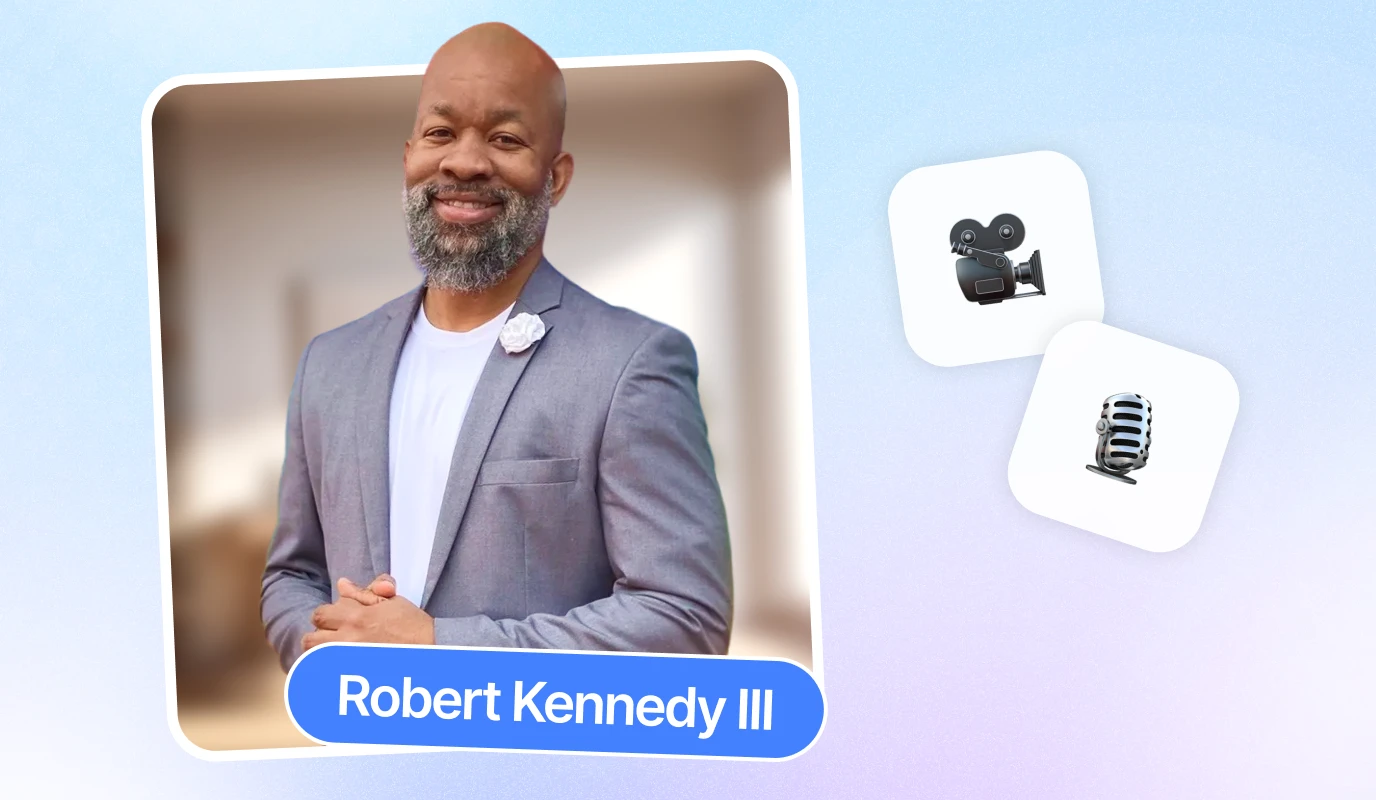
One of the biggest energy killers is the pursuit of a flawless performance. Robert warns, "Don't do a gazillion takes; the more takes that you do, the more frustrating it can be." Each repeated attempt drains your natural enthusiasm and moves you further away from the authentic connection you want to establish.- Embrace Imperfection: If you make a mistake, laugh at yourself and keep going. Authenticity builds more trust than a polished, robotic script.
- Stop Apologizing: Never start a video by apologizing for your appearance or your nerves. It draws the audience's attention away from your expertise.
- Give Yourself Grace: Professionalism isn't about being perfect; it's about being present and impactful for your viewers.
![[object Object]](/blog/images/airtable/section1-how-to-record-professional-videos-master-on.webp)
Mastering the Five E’s for Professional On-Camera Delivery
Define Your End Point and Entry
Before hitting record, identify your End Point. What is the specific action or feeling you want your audience to take away? Once the destination is clear, focus on your Entry. As the webinar highlighted, "You only have a certain amount of time to grab the attention of your audience." Instead of a long, generic greeting, lean into an inciting incident or a compelling story immediately to hook viewers.Command the Camera with Eyes and Energy
Your connection with the audience happens through the lens. Mastering the Eyes means maintaining consistent eye contact with the camera lens, not your own reflection on the screen. Pair this with intentional Energy. Remember: "If my energy is right, then I'm going to convey that to the audience; if my energy is not right, I'm going to convey that to the audience." To optimize your physical delivery, follow these steps:- Vary Your Pace: Use vocal variety. Speaking fast conveys conviction, while silence allows your message to "marinate" and gives the audience time to process.
- Use Hand Gestures: "What they see you do creates context and impact around your words." Keep your hands visible to build trust and emphasize key points.
- Maintain Lens Awareness: Treat the camera lens as the eyes of a single person you are helping.
Optimize Your Environment
The final "E" is Environment. Your recording space should be comfortable and prepared to reduce technical friction. A well-organized environment allows you to stay present and focused on the message rather than the gear.- Check Your Framing: Ensure the camera is at eye level to create a natural, conversational feel.
- Pattern Interrupts: For longer videos, use movement or visual changes to reset the audience's attention.
- Stay Present: Professionalism is about being impactful for your viewers, not about having a perfect studio.
Captivating Your Audience with Storytelling and Body Language Secrets
Your words only tell half the story. As the webinar emphasized, "People see or they hear your words, but what they see you do creates context and impact around your words." To truly captivate an audience, you must align your physical movements with your message. Keeping your hands visible and using intentional gestures helps build trust and emphasizes key points, making your delivery feel more natural and authoritative.
Mastering the Art of the Hook
The first few seconds of your video are critical. Instead of wasting time with a generic introduction, dive straight into the action. Use an inciting incident or a relatable challenge to grab attention immediately. This approach forces the viewer to engage with the narrative rather than just observing a presentation.
To build a compelling story on camera, follow these steps:
- Introduce the Character: Start with someone your audience can relate to, whether it's yourself or a client.
- Set the Context: Briefly describe the situation to ground the viewer in the scene.
- Highlight the Conflict: Identify the specific problem or hurdle that needs to be overcome.
- Deliver the Conclusion: Share the resolution and the lesson learned, leading directly into your call to action.
Vocal Variety and the Power of Silence
Your voice is an instrument that dictates the emotional tone of your video. "When you speak fast, that can convey excitement, energy, conviction, and belief," but constant speed can overwhelm. You must vary your pace to keep the audience focused and ensure your message lands with the intended weight.
- Embrace the Pause: Don't fear silence. "Speak and embrace silence; allow the message to marinate, allow people to hear, and allow their brain to process."
- Match Movement to Meaning: Use your hands to illustrate scale or importance, ensuring your body language reinforces your verbal claims.
- Maintain Lens Focus: Treat the camera lens as the eyes of your viewer to maintain a personal connection throughout the story.