
What Is an AI Talking Photo and How Does the Technology Work?
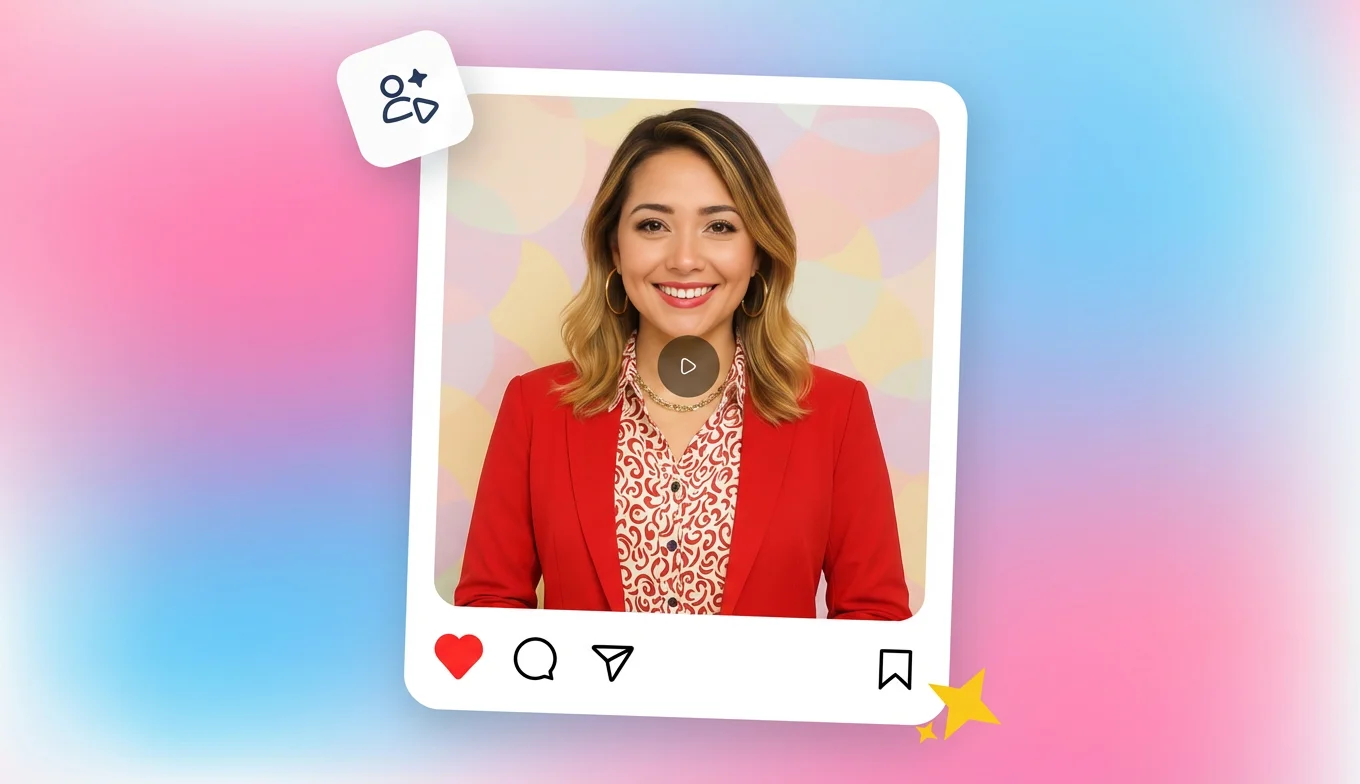
An AI talking photo is a video generated from a single still image where the subject appears to speak, move, and express emotion naturally. The technology uses deep learning models trained on millions of hours of video to understand how human faces move when speaking, and then applies those movements to any portrait photo.
The Science Behind It
At the core of this technology is a neural network architecture that processes three inputs: a source image (your photo), an audio track (your script read aloud or generated by text-to-speech), and motion reference data. The AI analyzes the audio to determine mouth shapes, timing, and emotional tone, then generates frame-by-frame facial animations that match the speech perfectly.
BIGVU uses OmniHuman technology, which represents a significant leap forward from earlier approaches. Previous AI talking photo tools often produced uncanny results — mouths that moved slightly off-sync, eyes that stared blankly, or heads that remained unnaturally still. OmniHuman addresses all of these issues by generating full upper-body motion including natural head movements, eye blinks, subtle facial expressions, and even hand gestures when appropriate.
Why Quality Matters
The difference between a good AI talking photo and a bad one is immediately obvious to viewers. Low-quality outputs look robotic and can actually damage your professional credibility. High-quality outputs like those from BIGVU's AI Talking Photo are nearly indistinguishable from real recorded video, which means you can use them confidently in professional contexts like sales outreach, social media content, and client communications.
The technology has improved rapidly. Just two years ago, most AI talking photo outputs were clearly artificial. Today, the best implementations including BIGVU's can produce results that viewers accept as genuine video content, especially at the resolutions used on social media and in email.
![[object Object]](/blog/images/airtable/section1-ai-talking-photos-work-technology-behind-bigvus-portrait-vid.webp)
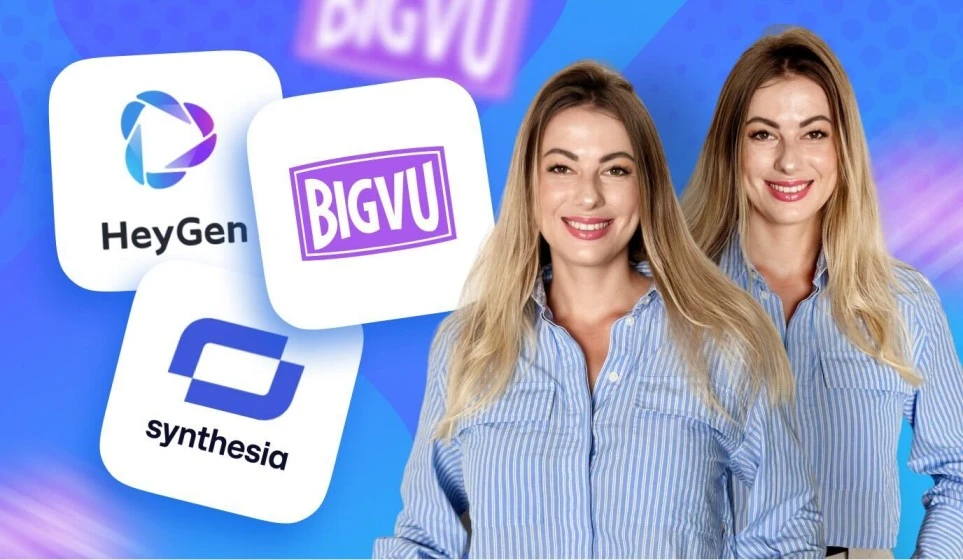
BIGVU AI Talking Photo vs. Hedra vs. HeyGen: How They Compare
Several platforms now offer AI talking photo capabilities, but the quality, features, and intended use cases vary significantly. Here is how BIGVU's AI Talking Photo compares to two popular alternatives.
BIGVU AI Talking Photo
BIGVU's implementation is designed for business professionals and content creators who need reliable, professional-quality results. The key advantage is integration with BIGVU's complete video creation ecosystem. You can generate a talking photo video, then immediately edit it with captions, branding, music, and transitions — all in the same workflow. The teleprompter integration means you can write and refine your script before generating the AI video, ensuring your message is polished and persuasive.
BIGVU also offers text-to-speech with multiple natural-sounding voice options, so you do not even need to record your own voice. For business use cases, this combination of quality output plus professional editing tools makes BIGVU the most practical choice.
Hedra
Hedra has gained attention for its creative AI video generation capabilities. It excels at artistic and experimental content, producing visually striking results that work well for social media entertainment. However, Hedra lacks the business-focused tools that professionals need — no teleprompter, no script generator, limited editing, and no video email integration. For creative projects, Hedra is impressive. For professional business use, it requires too many additional tools to be practical.
HeyGen
HeyGen offers AI avatar technology with a focus on enterprise video production. It provides pre-built avatar templates and supports multiple languages, making it popular for corporate training and localization. However, HeyGen's pricing is significantly higher than BIGVU's, and its avatars can sometimes feel more synthetic than BIGVU's OmniHuman output. HeyGen is best suited for large companies with specific localization needs, while BIGVU serves a broader range of business professionals and creators.
Best Use Cases and Ethical Considerations
AI talking photos open up creative possibilities that were impossible just a few years ago. Here are the most impactful ways to use this technology in your business, along with important ethical guidelines.
Top Use Cases for Business
Social media content creation is the most popular application. You can produce consistent video content for LinkedIn, Instagram, and TikTok without setting up a camera every time. Record your script once, and the AI generates a professional video you can post immediately.
Sales outreach becomes more personal and scalable. Instead of sending generic text emails, you can create personalized video messages for each prospect using their name and specific talking points. The AI talking photo approach lets you produce dozens of personalized videos in the time it would take to record a single one traditionally.
Course creators and educators use AI talking photos to produce lesson content efficiently. Record the audio narration, and the AI generates the video component, allowing you to focus on content quality rather than production logistics.
Real estate agents combine AI Talking Photo with BIGVU's Fototale to create complete listing presentations from a headshot and property photos — no filming required at any stage.
Ethical Best Practices
As with any powerful technology, responsible use matters. Always disclose when you are using AI-generated video if there is any possibility viewers might assume it was traditionally recorded. BIGVU makes this easy by including optional disclosure watermarks and text overlays.
Never use AI talking photo technology to create content that impersonates someone else or misrepresents your identity. Only use your own photos or photos you have explicit permission to animate. Most platforms including BIGVU have terms of service that prohibit misuse, and the technology includes safeguards to prevent unauthorized use of others' likenesses.
When used ethically and transparently, AI talking photos are simply a more efficient way to produce the video content you would have created anyway — just without the production overhead. The technology empowers more people to communicate through video, which ultimately leads to more authentic and personal digital interactions.